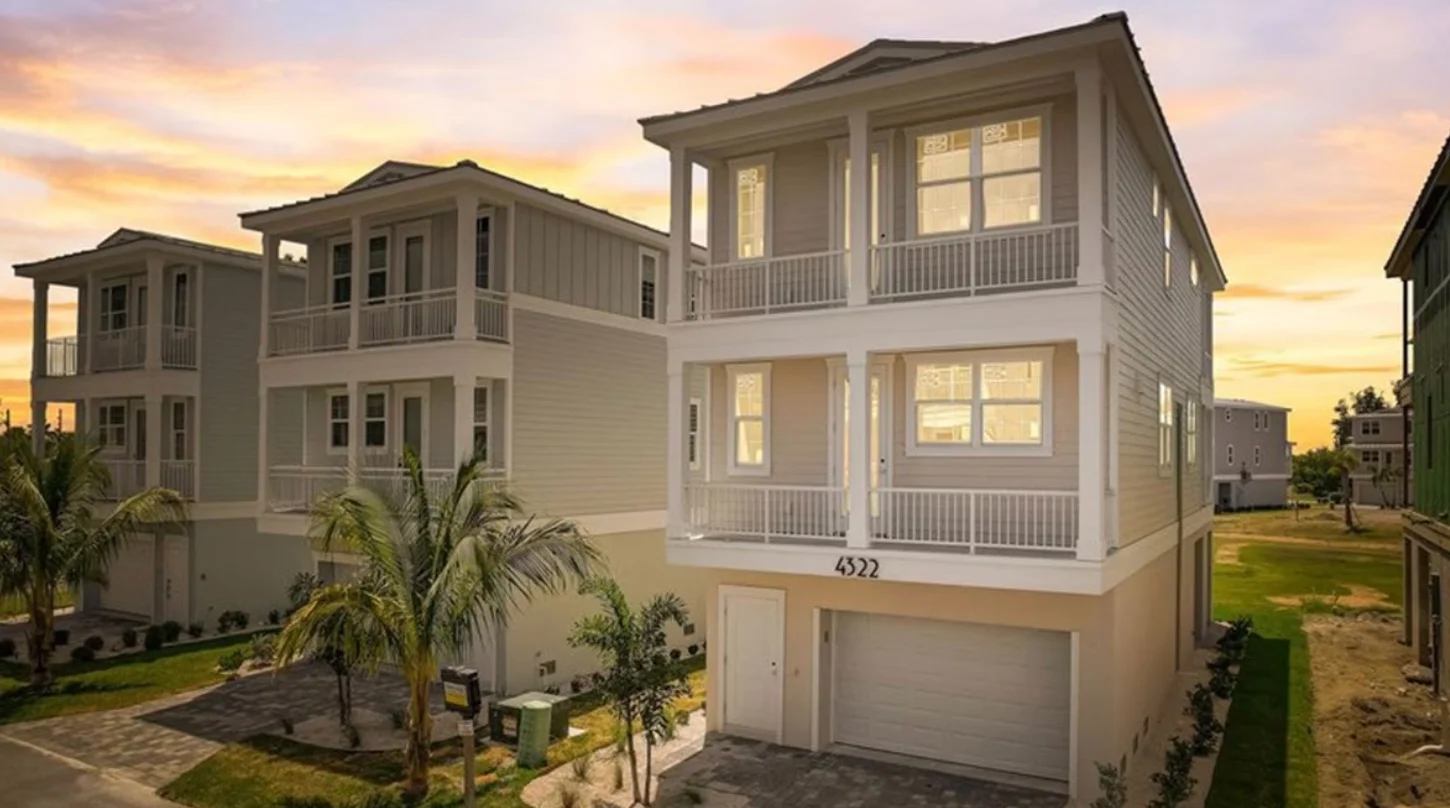
Every homeowner in Northwest Florida eventually has the same conversation – usually right after a named storm makes landfall somewhere along the Gulf Coast. What would happen to my home in a direct hit? Did my builder actually build this thing to hold up, or did they do the minimum required by code and hope for the best?
These are not paranoid questions. Florida has the highest wind exposure of any state in the continental United States. The Pensacola area sits in a region where hurricane-force winds, storm surge, and prolonged heavy rainfall are not theoretical possibilities – they are documented, recurring events that every home must be built to withstand.
Building a hurricane-resistant custom home in Northwest Florida requires more than selecting the right wall color and countertop finish. It requires a builder who understands the specific structural, waterproofing, and wind mitigation demands of the Gulf Coast environment. EZ Modern Homes has spent years building homes in this region that are designed from the ground up to perform when conditions get severe.
What Makes a Home Hurricane-Resistant in Florida?
A truly hurricane-resistant home is not defined by any single feature. It is the result of a series of coordinated decisions made throughout the design and construction process – decisions about structure, materials, connections, and systems that work together to keep the home intact under extreme conditions.
The key elements of hurricane-resistant construction in Northwest Florida include:
- Wind Load Engineering: Florida’s building code requires homes to be designed and built to specific wind load standards based on geographic location. In the Pensacola area, these requirements are among the most stringent in the state. A home engineered to meet or exceed these standards uses specific framing techniques, connection hardware, and structural systems that distribute wind loads safely through the building.
- Impact-Resistant Windows and Doors: Standard windows and doors are one of the most vulnerable points in a home during a hurricane. Once the building envelope is breached, interior pressure increases dramatically and structural failure becomes far more likely. Impact-resistant windows and doors – tested to withstand high-velocity wind-borne debris – are a critical line of defense.
- Roof-to-Wall Connections: The connection between the roof system and the wall framing is where many homes fail in high-wind events. Hurricane straps and clips – metal connectors that tie the roof framing directly to the wall structure – significantly increase the resistance of this connection to uplift forces.
- Roof Shape and Design: Hip roofs – roofs with four sloping sides – perform significantly better in high-wind conditions than gable roofs because they present less surface area to wind pressure. Roof pitch, overhang length, and the quality of the roofing materials also play important roles in wind performance.
- Waterproofing and Secondary Water Barriers: Florida’s hurricanes deliver enormous amounts of water in addition to wind. A secondary water barrier applied beneath the roofing material provides a critical layer of protection if the primary roofing is compromised. Proper flashing, sealed penetrations, and moisture-resistant sheathing all contribute to keeping water out of the structure.
What Are Florida’s Wind Mitigation Requirements for New Home Construction?
Florida’s building code establishes minimum wind mitigation requirements for new construction based on the wind speed zone of the construction location. In the Pensacola area and throughout much of Northwest Florida, homes must be designed and built to withstand wind speeds that reflect the Gulf Coast’s hurricane exposure.
Key code requirements for new construction in high wind zones include:
- Engineered roof-to-wall connections using metal hurricane straps or clips rated for the applicable wind speed.
- Impact-resistant or protected openings for all windows, doors, and skylights.
- Continuous load path construction, where wind forces are transferred continuously from the roof through the walls and into the foundation.
- Specific nail patterns and fastener requirements for roof sheathing to prevent sheathing blow-off.
- Garage door compliance with wind load ratings appropriate to the wind zone.
EZ Modern Homes builds these requirements into every project as a baseline – not as optional upgrades. The perspective is straightforward: a home built to the minimum standard is a home built to just barely pass an inspection. That is not the same as a home built to perform in an actual hurricane.
How Does EZ Modern Homes Approach Wind Mitigation and Storm Resilience?
EZ Modern Homes builds wind mitigation and storm resilience into every custom home they construct in Northwest Florida. Their approach goes beyond checking boxes on a code compliance checklist.
- Pre-Construction Site Evaluation: Before design begins, the team evaluates the specific site conditions – elevation, exposure category, soil conditions, and proximity to flood zones – that affect how the home should be designed and built. A home on an elevated coastal site has different wind exposure than one in a sheltered inland location, and the design should reflect that.
- Material Selection With Performance in Mind: Every material selection – from roofing to windows to exterior cladding – is evaluated not just for appearance and cost but for how it will perform in Florida’s climate. Top-grade materials are used throughout, with durability and long-term performance as non-negotiable standards.
- Documentation Through Construction: One of the most valuable features of EZ Modern Homes’ process is their use of photos and Matterport 3D virtual tours taken throughout construction. This documentation allows homeowners to verify the quality of structural connections, insulation installation, and waterproofing details before drywall covers everything up – details that are otherwise invisible once the home is finished.
- Post-Construction Wind Mitigation Report: A wind mitigation inspection and report after construction documents the specific features of the home that qualify for insurance discounts. In Florida, a well-built home with documented wind mitigation features can result in meaningful reductions in homeowner’s insurance premiums – savings that accumulate year after year.
What Are the Most Common Mistakes Builders Make With Florida Home Construction?
Understanding where other builders cut corners helps homeowners ask the right questions and recognize warning signs before signing a contract.
- Using Standard Windows Instead of Impact-Rated Products: Some builders specify standard windows with storm shutters as a lower-cost alternative to impact-resistant windows. While shutters can provide some protection when properly installed and deployed, impact-rated windows provide continuous protection regardless of whether the homeowner is present when a storm arrives.
- Undersized or Incorrectly Installed Hurricane Straps: Hurricane straps installed with incorrect fasteners, at the wrong spacing, or without proper engagement with the wall framing provide far less resistance than the engineering assumes. This type of shortcut is invisible until a storm reveals it.
- Inadequate Roof Sheathing Fastening: Roof sheathing that is nailed with the wrong nail type, at the wrong spacing, or into wet lumber is one of the most common causes of roof failure in hurricanes. Proper inspection of sheathing installation – before roofing is applied – is essential.
- Ignoring Flood Zone Requirements: Many areas of Northwest Florida carry flood zone designations that require homes to be elevated to a specific base flood elevation. Builders who do not account for these requirements early in design can create expensive problems for homeowners who discover their home does not meet flood insurance requirements after construction.
EZ Modern Homes addresses all of these issues through their pre-construction planning process and their commitment to building every home to a standard that genuinely holds up – not just one that passes an inspection.
Frequently Asked Questions About Hurricane-Resistant Home Building in Florida
What is a continuous load path in home construction?
A continuous load path means that wind forces acting on the roof are transferred through engineered connections all the way down through the walls and into the foundation, rather than being stopped at a weak connection point. It is one of the most important principles in Florida hurricane-resistant construction.
Does a hurricane-resistant home cost significantly more to build?
Building to a high standard of wind mitigation does add cost compared to a builder who does only the minimum required by code. However, the long-term savings in insurance premiums, reduced storm damage, and avoided repair costs make the investment worthwhile for most homeowners in Northwest Florida.
What is a wind mitigation inspection and do I need one?
A wind mitigation inspection documents the specific features of a home that reduce wind damage risk. In Florida, this report is used by insurance companies to calculate premium discounts. A well-built new home in Northwest Florida should qualify for significant discounts that reduce annual insurance costs.
How does EZ Modern Homes document construction quality during the build?
EZ Modern Homes uploads photos and Matterport 3D virtual tours throughout construction, giving homeowners visual documentation of structural connections, insulation, and waterproofing details before they are covered by drywall and finishes.
Does EZ Modern Homes handle permitting for new home construction in Pensacola?
Yes. EZ Modern Homes manages all permitting as part of their standard construction process, drawing on years of experience with the specific requirements of Northwest Florida municipalities.
Conclusion
A home built in Northwest Florida is only as good as the decisions made during its construction – decisions about structural connections, materials, waterproofing, and the dozens of details that become invisible once the walls are closed. EZ Modern Homes builds every custom home in the Pensacola area with the understanding that Florida’s climate is unforgiving of shortcuts. If you are planning to build in Northwest Florida, the quality of your builder’s approach to wind mitigation and storm resilience is one of the most important questions you can ask before signing anything.

Aretha Davis, the wordsmith extraordinaire, weaves enchanting tales with her pen and keyboard. A renowned blogger and writer, her captivating prose transports readers to realms unknown. Join her literary journey and be swept away by the magic of her words.